Table of contents
Border agencies are tightening the screws on identity, and the change is no longer confined to airports. From Europe’s new digital border architecture to the U.S. push toward stronger digital identity assurance, evolving standards are reshaping customs compliance, and the ripple effects reach freight forwarders, e-commerce sellers, and ordinary travelers alike. The stakes are plain: fewer loopholes for fraud and smuggling, but also more friction for anyone whose paperwork, data, or declared identity does not line up across systems.
Customs now checks data, not paper
Paper documents still exist, but customs control has moved decisively toward data-led enforcement, where identity is established, cross-checked, and scored through interoperable systems rather than stamped forms. That shift is visible across jurisdictions that trade heavily with one another, and it is being accelerated by two forces: the surge in low-value e-commerce shipments, and a policy turn toward pre-arrival risk analysis. The European Union, for instance, has spent the last decade building a “smart borders” stack, and in 2024 it continued preparing two flagship systems: the Entry/Exit System (EES), designed to digitally record border crossings of non-EU travelers, and the European Travel Information and Authorisation System (ETIAS), a pre-travel screening layer for visa-exempt nationals. These tools are not customs systems in the narrow sense, yet they feed the same ecosystem of identity assurance and risk-based targeting that customs relies on when it decides what to stop, what to release, and what to inspect.
In the United States, the direction of travel is similarly clear, even if the architecture differs. Federal agencies increasingly lean on stronger digital identity practices, shaped in part by guidance from the National Institute of Standards and Technology, whose Digital Identity Guidelines (SP 800-63) have become a reference point for identity proofing and authentication levels. Customs enforcement, especially in cargo contexts, already leans on advance electronic data and trusted trader programs, and evolving identity expectations make it harder for bad actors to hide behind shell entities, recycled addresses, or synthetic identities. The practical consequence is that “who is behind the shipment” matters more, and it must be demonstrable across datasets, from tax IDs and importer records to carrier filings and platform information. For legitimate operators, the upside is predictability, yet it comes with a discipline customs is increasingly unforgiving about: inconsistent identity data can become a red flag even when the goods are lawful.
Fraud pressures drive stricter identity proof
Why are authorities escalating identity standards now, and why does it translate into customs friction? The simplest answer is volume, and the second is fraud. Global trade has been transformed by the rise of small parcels, and customs agencies have struggled to apply traditional controls to millions of consignments that each carry limited information. In the EU, that shift has been visible since the abolition of the VAT low-value exemption in July 2021, which pulled a far larger share of e-commerce imports into the tax net and increased the importance of accurate identification of sellers, marketplaces, and importers of record. In the UK, the post-Brexit redesign of VAT on goods and the expansion of digital customs processes created similar incentives to tighten who is responsible for declarations, and to ensure that identity data links cleanly to tax and compliance records.
Fraud patterns explain the policy choices. Under-valuation, misdescription, and the misuse of importer identities are recurring themes, and enforcement agencies have repeatedly pointed to “complex supply chains” as a cover for bad documentation and evasive behavior. When a shipment’s declared identity does not reconcile with other sources, whether payment data, shipping patterns, or corporate registries, it becomes easier to justify holds, inspections, and audits. That logic extends to sanctions and export controls as well, where identifying the true end-user and beneficial owner can be as important as classifying the product. The escalation of geopolitical restrictions, notably since 2022, has made identity traceability a frontline tool, and customs authorities are increasingly expected to act as an enforcement layer for broader national security policy. The result is a steady migration from “prove it if asked” toward “prove it by default,” and that changes the compliance burden for everyone who touches cross-border movement.
Businesses feel it in EORI, IOR, KYC
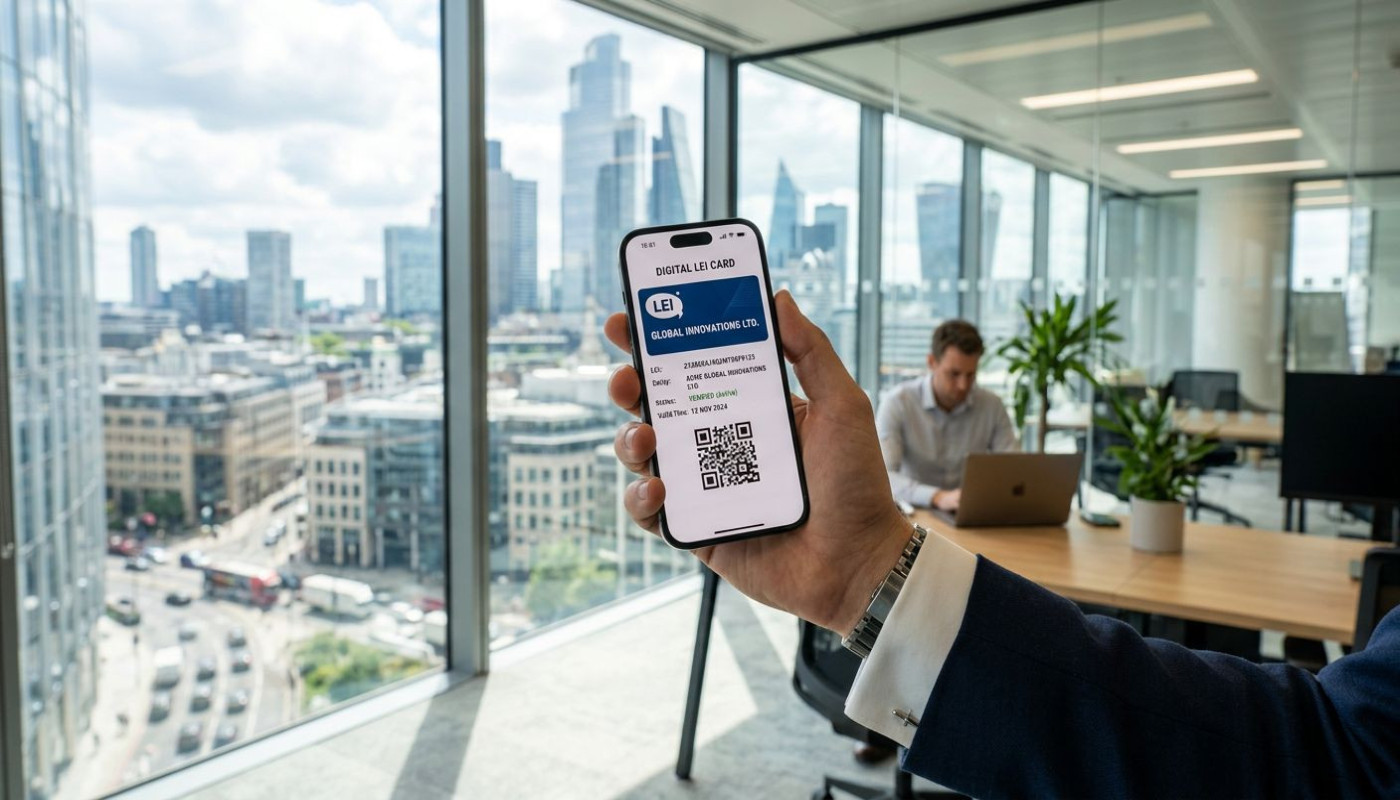
For companies, evolving identity standards show up first in the alphabet soup of cross-border operations: EORI numbers in the EU, importer of record (IOR) responsibilities, and KYC-style checks that increasingly resemble financial compliance. The EU’s Economic Operators Registration and Identification system makes EORI a foundational identifier for customs interactions, and while the concept is not new, the scrutiny around it is hardening. Brokers and forwarders often report that mismatches, expired details, or unclear responsibility chains can slow down clearance, and the same is true when platforms, sellers, and intermediaries disagree about who is legally making the declaration. In an environment where customs processes are increasingly digital, small data errors behave like big compliance failures, because systems cannot “interpret” ambiguity the way a human clerk once might have.
That is where practical tools and specialist services enter the picture, not as a luxury but as a way to prevent routine shipments from turning into repeated delays. Businesses trading with the EU often need to validate whether they require an EORI, how it should be issued, and how it should be used consistently across declarations, invoices, and shipping documents; readers looking for a clear starting point can go to this web-site to understand the mechanics and avoid the common traps that trigger customs questions. The operational lesson is straightforward: identity is not only about the person signing a document, it is about whether the declared party, the paying party, the shipping party, and the responsible party align across systems. As customs agencies increase their reliance on pre-arrival data and automated risk rules, consistency becomes a compliance asset, and inconsistency becomes a cost, whether in storage fees, missed delivery windows, or customer refunds.
What travelers notice at the border
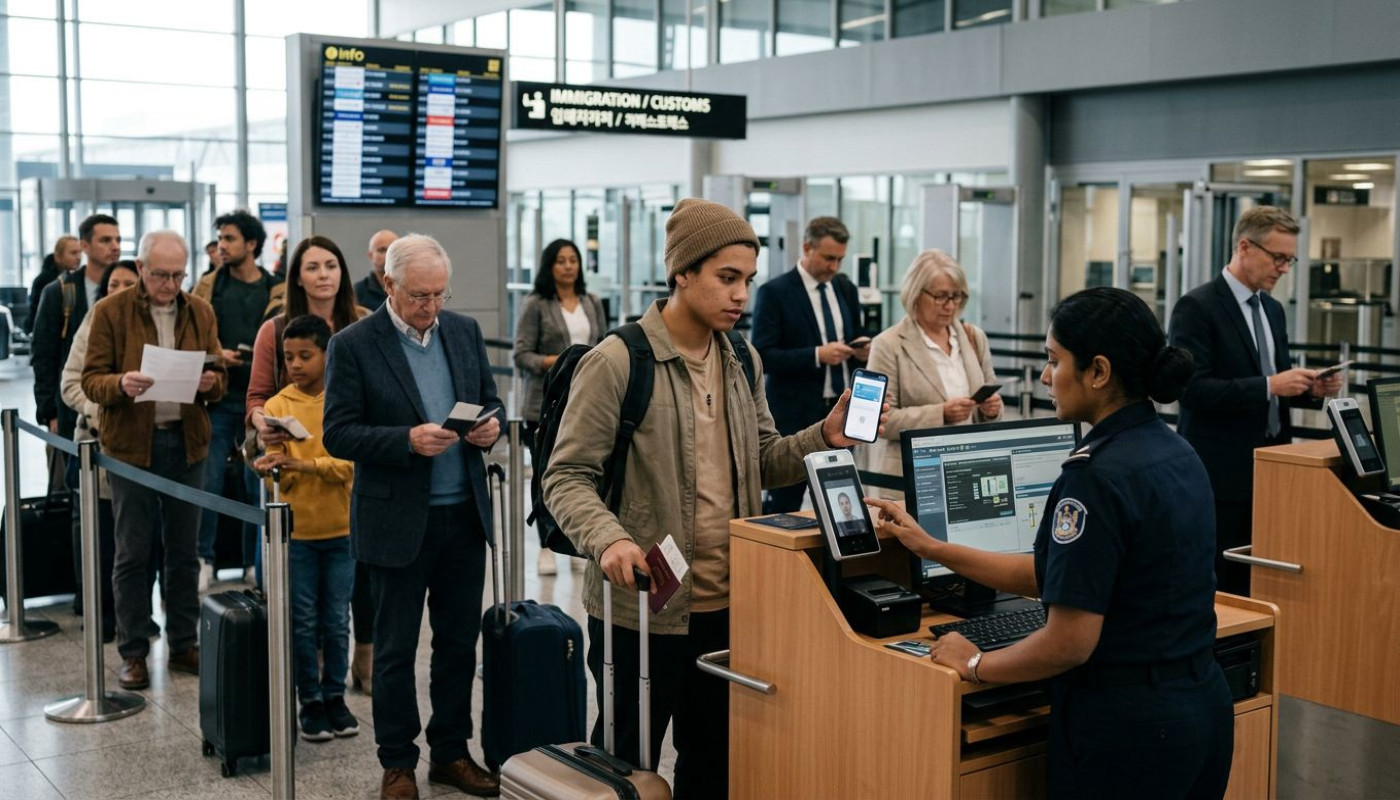
For travelers, identity standards may feel like an administrative detail until they hit the queue. Yet the direction of policy, especially in Europe, is to embed biometrics and digital records into routine border crossings, and that inevitably changes how identity is experienced at the frontier. The EU’s EES is designed to record entry and exit events, and to use biometric identifiers, such as facial image and fingerprints, to strengthen the link between a traveler and their travel document. Even though customs and immigration are distinct functions, the lived experience is intertwined, because border agencies coordinate, share infrastructure, and increasingly rely on the same identity confidence to manage risk. When identity checks become more automated, errors can also scale: an outdated passport number, a name mismatch, or inconsistent travel history can lead to secondary screening, and that can bleed into customs interactions, particularly when travelers are carrying high-value goods or items subject to restrictions.
The same logic affects those who straddle travel and commerce, such as small entrepreneurs, touring professionals, and frequent flyers carrying work equipment. Carnets, invoices, proof of ownership, and declarations intersect with the traveler’s identity record, and the more digital the environment becomes, the more important it is that documents match the person and the itinerary. The benefit is speed for most, because automation can clear low-risk passengers quickly, and give officers better tools to target the minority of cases that merit scrutiny. The drawback is that discretion narrows: a missing data element is harder to wave through when systems are designed to block incomplete submissions. In practice, travelers will notice more pre-travel steps, more reliance on biometric gates, and more questions when something does not reconcile, and for those carrying goods across borders, that can mean planning earlier, keeping purchase proofs accessible, and understanding local duty-free thresholds and prohibited items before arriving at the airport.
Practical next steps for smoother clearance
Budget time for compliance, not only transport, and treat identity data as a supply-chain input. If you ship to the EU, confirm whether an EORI is required and keep company details synchronized across invoices, carrier bookings, and customs filings. For travel, reserve extra time when rules change, and check whether pre-travel authorisations apply. Seek any eligible simplifications, and set aside a contingency budget for holds, storage, or re-documentation.
Similar articles