Table of contents
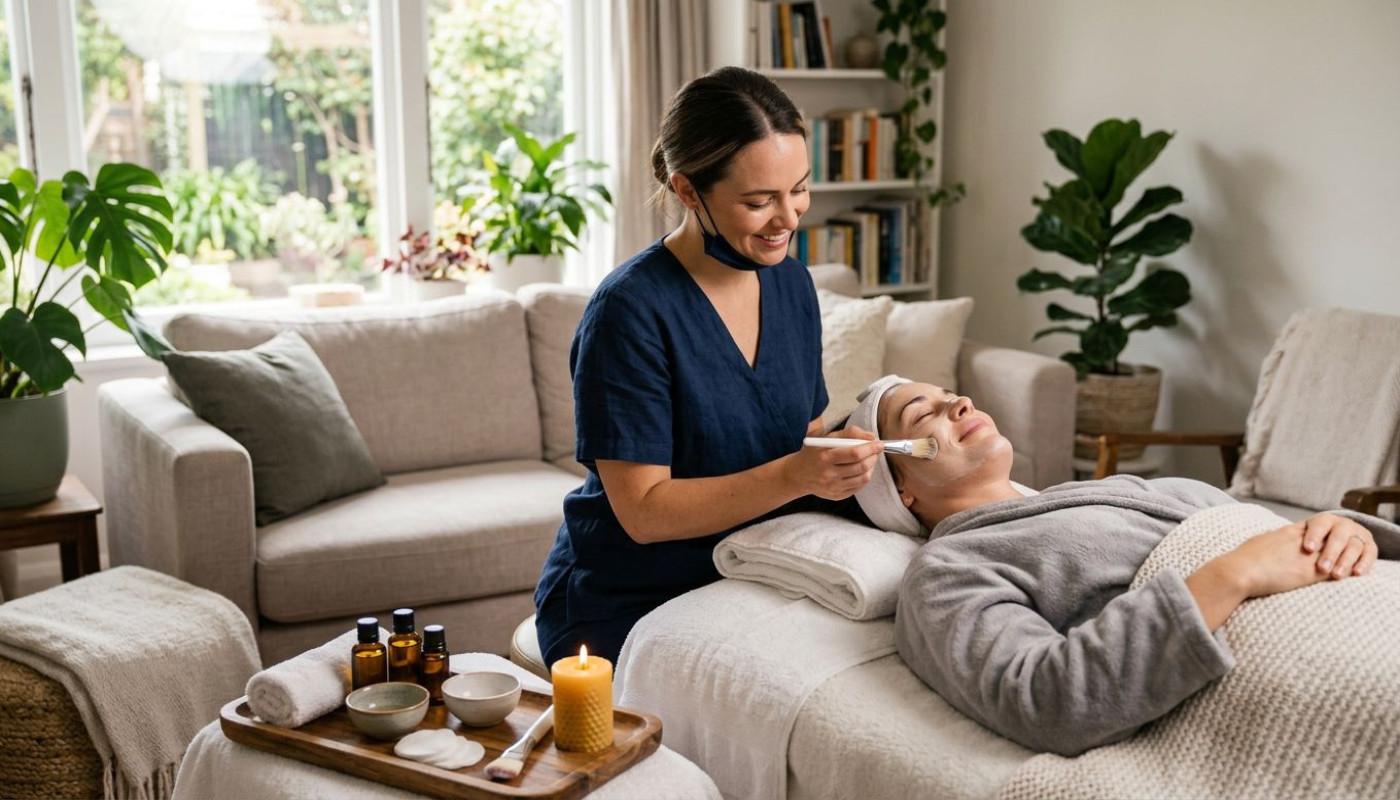
Could your next wellness appointment happen in your living room? From red-light masks and microcurrent wands to guided breathwork apps and AI skin diagnostics, home beauty therapy is no longer niche, it is fast becoming a mainstream extension of personal care, and the market numbers suggest it is accelerating. As consumers juggle busy schedules, rising service prices and a growing appetite for preventative routines, brands and clinics are racing to bring “treatment-grade” experiences into the home, with uneven results and real questions about safety, efficacy and who benefits most.
From luxury add-on to daily habit
Not long ago, at-home devices were often framed as “maintenance” between professional appointments, a nice-to-have rather than a core routine. That positioning has shifted as the home beauty device market expands and consumer expectations rise, pushed by the same forces reshaping broader wellness: more self-directed health choices, more time pressure and more willingness to spend on small, repeatable habits. Market researchers have been tracking this momentum for years, and the direction is clear; Fortune Business Insights valued the global beauty devices market at about US$56.2 billion in 2023 and projected it could reach roughly US$198.3 billion by 2032, implying rapid growth through the decade.
The product mix has also changed. LED masks have moved from niche to commonplace, microcurrent tools are marketed as “gym for the face”, and ultrasound, radiofrequency and at-home IPL hair removal devices are no longer rare in the average bathroom cabinet. Some of this growth is tied to post-pandemic behavior, when home routines became a substitute for closed spas, yet the longer-term driver looks structural: consumers have learned to stack small interventions, a 10-minute session here, a weekly device there, and treat them as part of a personal wellness plan rather than pure vanity. The language has followed; brands increasingly talk about lymphatic drainage, inflammation, stress hormones and sleep quality, and they frame cosmetic changes as a byproduct of “better regulation” rather than a stand-alone goal.
But the shift is not only about gadgets. The boom in guided facial massage, scalp care and “nervous system” routines suggests that home beauty therapy is, in part, a response to mental load. A face massage is tactile, slow and controllable, and that matters in a world where wellness often feels like another productivity contest. The result is a new consumer logic: if a device or technique helps you feel better immediately, and possibly looks good later, it earns a permanent place in the schedule.
The price gap is reshaping routines
Beauty has always tracked the economy, and today’s cost pressures are nudging consumers toward home options, even among those who still value professional care. In many major cities, clinic-grade facials and body treatments have grown more expensive, while the quality gap between professional and at-home tools has narrowed in marketing, if not always in reality. The pitch is simple: pay once for a device, then “save” on repeated appointments. It is persuasive, especially when budgets are tight and subscription fatigue is real.
Yet the economics are more complicated than a one-time purchase. High-end devices can cost hundreds, sometimes thousands, and replacing conductive gels, cartridges or heads adds ongoing expense. Still, compared with a monthly in-clinic treatment, the break-even point can arrive quickly, and that is exactly why brands emphasize amortization. Analysts watching the broader beauty industry have noted the resilience of the category even when discretionary spending softens, and prestige beauty has remained surprisingly strong; in the United States, for example, Circana reported that prestige beauty sales grew 14% in 2023 to reach US$31.7 billion. That does not prove that at-home devices are replacing services, but it does show that consumers continue to fund beauty when they believe it delivers value.
There is also a time economy. Booking, commuting, tipping and scheduling can turn a “60-minute facial” into a half-day commitment, and that friction is often underestimated. Home therapy removes that barrier, which may be why many users adopt a hybrid model: fewer professional appointments, but more frequent at-home sessions to maintain a sense of momentum. For working parents, frequent travelers and people managing irregular hours, that flexibility is not a perk, it is the entire point.
Efficacy: the gap between claims and skin
Does it work, or just feel like it works? That question sits at the center of the home beauty therapy boom, and it is where consumer enthusiasm meets biology, regulation and, sometimes, disappointment. Some at-home modalities have credible scientific grounding, especially when used correctly and consistently. LED light therapy is a good example: dermatology literature has discussed its potential benefits for acne and inflammation, and the American Academy of Dermatology lists light-based therapies among options dermatologists may use for acne, while emphasizing that outcomes vary and professional guidance matters.
Still, at-home devices face constraints that clinics do not. Power levels may be lower, protocols simplified and user technique inconsistent, and those differences can change outcomes. Microcurrent, radiofrequency and ultrasound are often marketed with dramatic before-and-after images, yet results can depend on skin type, age, hydration and the user’s willingness to keep going for months. That is not unique to home therapy; professional treatments also require series and maintenance, but the controlled setting, trained hands and stronger equipment can make the “visible payoff” easier to reach.
Then there are manual techniques, where the line between wellness ritual and measurable effect can blur. Facial massage may temporarily reduce puffiness by moving fluid, and it can help some people relax their jaw or relieve perceived tightness, yet long-term structural claims should raise eyebrows. Techniques such as intraoral or buccal massage, for instance, are increasingly talked about in the context of tension patterns, TMJ discomfort and sculpting, and interest has grown among travelers who seek high-touch approaches while abroad; those curious can find out this here. The key, as dermatologists and physiotherapists often stress in adjacent contexts, is to treat bold promises with caution, and to remember that “feels better” is a valid outcome, even if it does not equal a permanent lift.
Regulation also shapes what consumers can trust. In many jurisdictions, devices marketed for medical claims face stricter oversight than those sold for cosmetic “appearance” benefits, which can create a grey zone: products may imply therapeutic effects without being held to the evidentiary standards of medical devices. For readers, the practical takeaway is straightforward: look for clear instructions, credible safety data, realistic claims and, when in doubt, guidance from a licensed professional, especially if you have melasma, active acne flares, rosacea, implants or are pregnant.
Safety, equity and the next wave
The most important question is not whether home beauty therapy is trendy, it is whether it is safe and for whom. At-home IPL and laser-adjacent devices can pose risks of burns or pigment changes, particularly for deeper skin tones if settings and wavelength compatibility are misunderstood. Overuse is another issue; a culture of “more is better” can lead to irritation, barrier damage and inflammation, problems that then require professional intervention. The irony is familiar: a tool bought to avoid appointments can create the need for one.
Equity is part of the story too. High upfront costs can exclude many consumers, while the marketing language of “investment” and “optimization” may amplify pressure to spend. At the same time, home therapy can broaden access in areas with fewer clinics, and it can help people with disabilities or mobility constraints build routines on their own terms. The direction of travel depends on how brands behave: do they publish robust usage guidance, offer transparent contraindications and avoid fear-based messaging, or do they chase virality and make users guess their way through settings?
Looking ahead, the category’s next wave is likely to be smarter, not necessarily stronger. Expect more personalization through apps, more integration with wearables and sleep metrics and more “protocol libraries” that map routines to goals like acne control, redness reduction or jaw tension relief. AI skin analysis is already being used to recommend products and track progress, although it raises privacy questions, especially when facial data is involved. The winners may be the companies that can combine credible science, conservative safety design and a calm tone, because the consumer appetite for wellness is real, but so is the fatigue with overpromising.
Booking, budgeting and doing it right
Home beauty therapy is moving into the mainstream, but the smartest approach remains hybrid: budget for a reliable device or technique you will actually use, and reserve professional sessions for diagnosis, stronger modalities and personalized correction. Before you buy, check return policies and warranties, and ask about contraindications; in many places, you may also find local rebates or installment options through retailers, which can ease the upfront hit without locking you into subscriptions.
Similar articles


